Mui Ne, a once-quiet fishing village on Vietnam’s southeastern coast in Binh Thuan Province, has emerged as one of the world’s top trending destinations for 2026 according to Booking.com. Just 200-215 km (4-5 hours) from Ho Chi Minh City, Mui Ne captivates with its surreal red and white sand dunes rising dramatically beside tropical beaches, consistent year-round winds making it Asia’s premier kitesurfing capital, a vibrant fishing harbor, and pockets of serene relaxation amid the action. The area’s unique blend of desert-like landscapes and seaside vibes creates a “storybook” escape unlike anywhere else in Southeast Asia. Whether sliding down dunes at sunrise, harnessing winds for kitesurfing, wading through the Fairy Stream, or simply enjoying fresh seafood with ocean views, Mui Ne delivers adventure, culture, and relaxation in equal measure. This comprehensive 2026 guide—over 3000 words—covers everything from must-do activities and family travel insights to practical tips, updated trends, and why Mui Ne remains a bucket-list gem.
Start Your Mui Ne Journey in Luxury at Palado Hotel
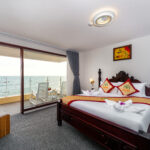
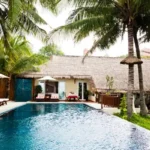
Base your Mui Ne adventure at the elegant Palado Hotel, a beachfront haven that perfectly balances modern sophistication with the natural rhythm of the coast. Located at 98B Nguyen Dinh Chieu in Mui Ne Ward, Palado offers refined rooms with handpicked furniture, ultra-comfortable beds draped in premium linens, sleek workspaces, warm ambient lighting, and expansive floor-to-ceiling windows showcasing panoramic sea and sky vistas. Guests delight in two ocean-view restaurants serving authentic Asian and international cuisine, an open-plan seafront dining space where waves provide the soundtrack, an exclusive European-style wine cellar (the only one in the Phan Thiet-Mui Ne region) with stone walls and golden lighting for intimate tastings, an infinity pool that merges seamlessly with the horizon, Palado Spa for rejuvenating treatments amid lush greenery and natural light, a rooftop café with sweeping views over Ham Tien and Mui Ne coastline, a specialty shop stocked with ocean-inspired souvenirs, a dedicated tour desk for custom excursions, and convenient motorbike/bicycle rentals for independent exploration.
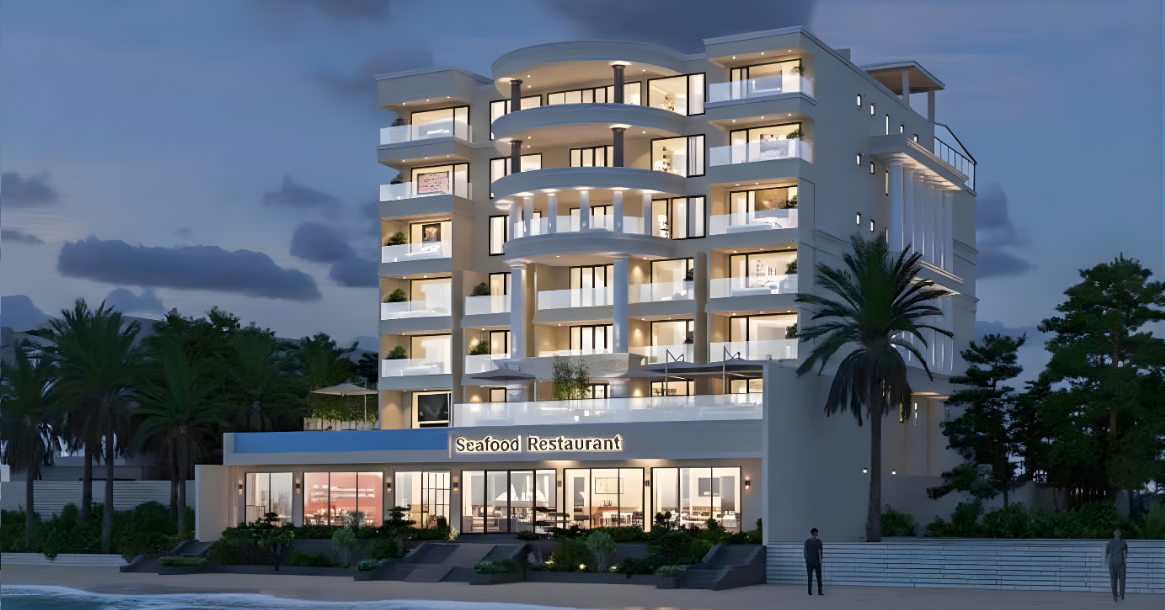
Palado Hotel
The hotel’s minimalist architecture—bold lines, abundant natural light, and the constant soothing sound of the sea—transforms every stay into a poetic, immersive retreat. Explore Palado Hotel and book your stay.
Start Your Mui Ne Journey in Luxury at Palado Hotel
For historical and geographical background on this evolving coastal gem, refer to the Wikipedia page on Mui Ne.
“We came to look back on our visit with fondness. Despite many rough edges, Mui Ne definitely makes for a memorable stop on any Vietnam family itinerary.” – TraveLynn Family
The Unique Appeal of Mui Ne in 2026
Mui Ne’s transformation from a sleepy fishing outpost to a global hotspot reflects Vietnam’s dynamic tourism growth. In 2026, Booking.com crowns it the world’s leading emerging travel destination, praising its “surreal beauty,” peaceful pace, and status as a water-sports paradise. National Geographic Traveller highlights Mui Ne as Southeast Asia’s top spot for windsurfing, kitesurfing, stand-up paddleboarding (SUP), paragliding, and parasailing, crediting strong northeasterly trade winds amplified by thermic activity over the hot dunes, consistent waves, and remarkably dry weather. Lonely Planet ranks its landscapes among Vietnam’s 10 most beautiful natural wonders, while Google’s 2025 search data placed Mui Ne third among the country’s most-searched spots—trends continuing strongly into 2026. The 8-km Nguyen Dinh Chieu strip now hosts over 50 resorts and nearly 18,000 rooms, yet pockets of rustic charm remain in the fishing village and quieter southern beaches. Erosion challenges persist on parts of the main Rang Beach, but southern stretches and day-access resorts offer cleaner, wider sands. Sustainable initiatives—dune preservation, plastic reduction, eco-tours—are gaining momentum, aligning with 2026’s push for authentic, responsible travel.
Best Time to Visit Mui Ne in 2026
Mui Ne enjoys a tropical savanna microclimate drier than most of Vietnam, with abundant sunshine year-round and average temperatures of 26–32°C. The dry season (November–April) reigns supreme: clear skies, refreshing breezes, minimal rain, and peak winds (15–25 knots) from November–March make it ideal for kitesurfing, windsurfing, dune exploration, and beach days. December–February brings domestic holiday crowds and higher prices; February–March attracts international wind-sport enthusiasts. Shoulder months (late November, March–April) balance excellent weather with fewer visitors and better deals. The rainy season (May–October) features brief, quick-passing showers (often just 30 minutes), lush greenery, lower accommodation rates, and a quieter vibe—still very travelable thanks to Vietnam’s lowest regional rainfall. Peak season (October–April) sees most water-sports schools and beach clubs fully operational. For families, November–April offers milder heat and safer conditions; avoid off-peak if concerned about rundown appearances in quieter months. In 2026, watch for Tet (Lunar New Year, February 17–22) festivities that spill into southern coastal areas with family gatherings and local celebrations.
Best Time to Visit Mui Ne in 2026
How to Get to Mui Ne & Getting Around
Most visitors arrive from Ho Chi Minh City (≈4-5 hours). Sleeper buses (VND 250,000–350,000) are popular—book via 12Go.asia or local agents for better seats (families may pay a small premium for specific berths). Buses often require a short minibus transfer to central Mui Ne. Trains to Phan Thiet (4–5 hours) arrive late and are less convenient. Private transfers or Grab-style cars suit families/groups ($50–80 USD). Motorbike rental ($5–10/day) offers freedom but requires an international permit and defensive driving on busy roads. Within Mui Ne, Grab taxis handle short trips, rented motorbikes/bicycles explore the strip, and jeep tours (sunset preferred for families) collect from hotels for dunes and Fairy Stream. In 2026, electric bike and shuttle options are expanding for eco-friendly movement.
Top Things to Do in Mui Ne
1. Red Sand Dunes
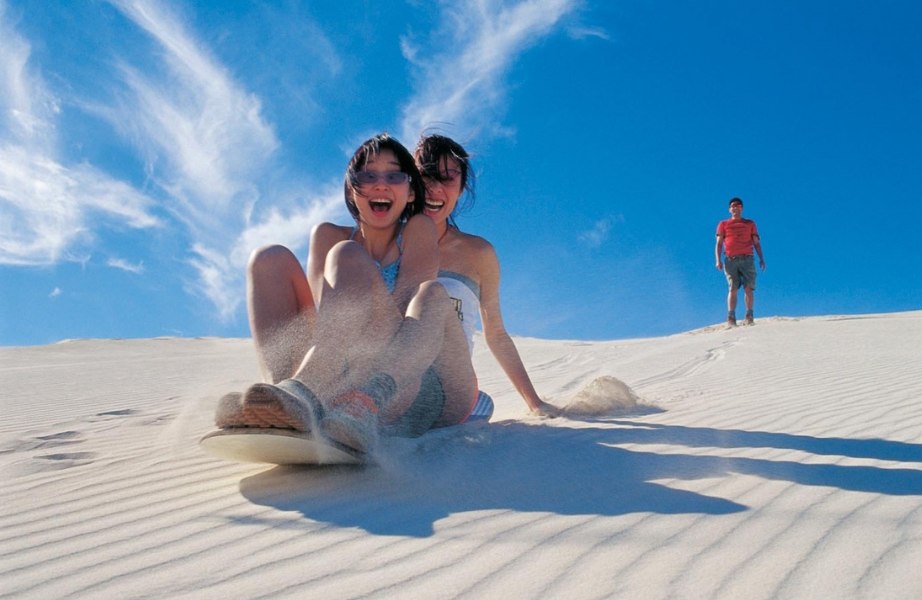
Orange-hued dunes ≈5 km from central Mui Ne glow dramatically at sunset. Sandboard on rented plastic/metal sheets (VND 30,000–50,000), hike for sea views, or find quieter corners away from touts. Tourist-heavy but photogenic; sunset timing beats midday heat.
2. White Sand Dunes (Bau Trang)
Larger, pristine white sands ≈30 km north feature lotus lakes and vast horizons. Rent quad bikes/ATVs (VND 900,000/couple for 10–30 min) or sandboard. Sunrise visits offer magical light and fewer crowds; eco-guided tours protect fragile areas. Lotus blooms add vibrant color in season.
3. Fairy Stream
A shallow, ankle-deep stream winds 1–2 km through red clay cliffs, lush jungle, and rock formations—perfect barefoot family walk ending at a small waterfall. Fish gently nibble feet; stunning contrasts of orange sand and green foliage make it highly photogenic.
4. Kitesurfing & Windsurfing
Mui Ne’s claim to fame—consistent northeasterly winds make it Asia’s top spot. Schools along southern beaches (e.g., Surfpoint) offer beginner lessons, gear rental, and wing foiling. Peak October–April; watch pros or take SUP/paragliding sessions. Safe, long sandy beach suits all levels.
Kitesurfing & Windsurfing
5. Fishing Village & Harbor
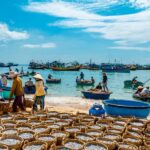
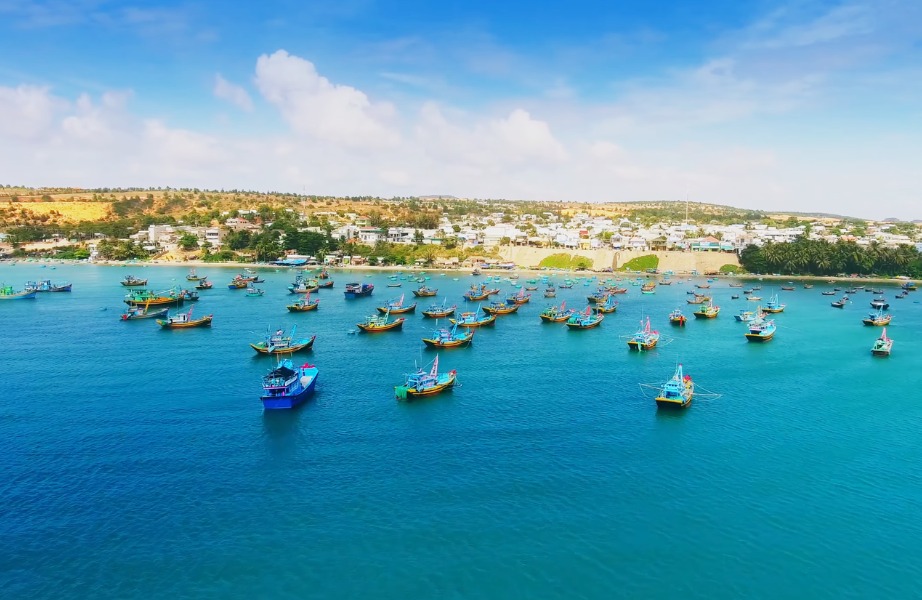
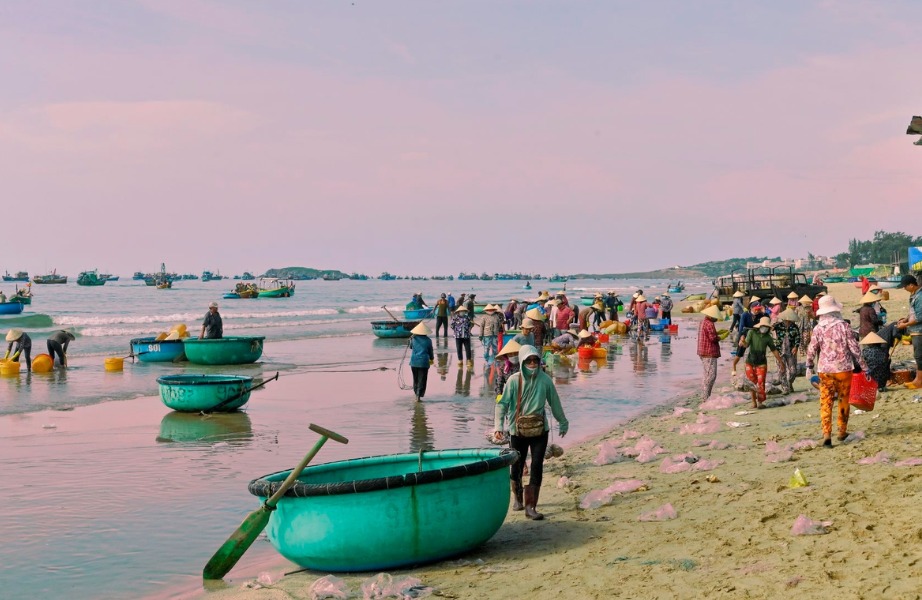
Early mornings bring colorful round basket boats and bustling fresh-catch markets. Observe traditional life, buy seafood, or join short boat rides. Authentic contrast to resort areas; respectful photography encouraged.
6. Beaches & Relaxation
Main Rang Beach varies—eroded/narrow in parts with concrete groynes; southern stretches wider, cleaner for swimming and play. Day passes at resorts unlock better pools, sunbeds, and calm waters. Hon Rom and Ke Ga offer seclusion and viewpoints.
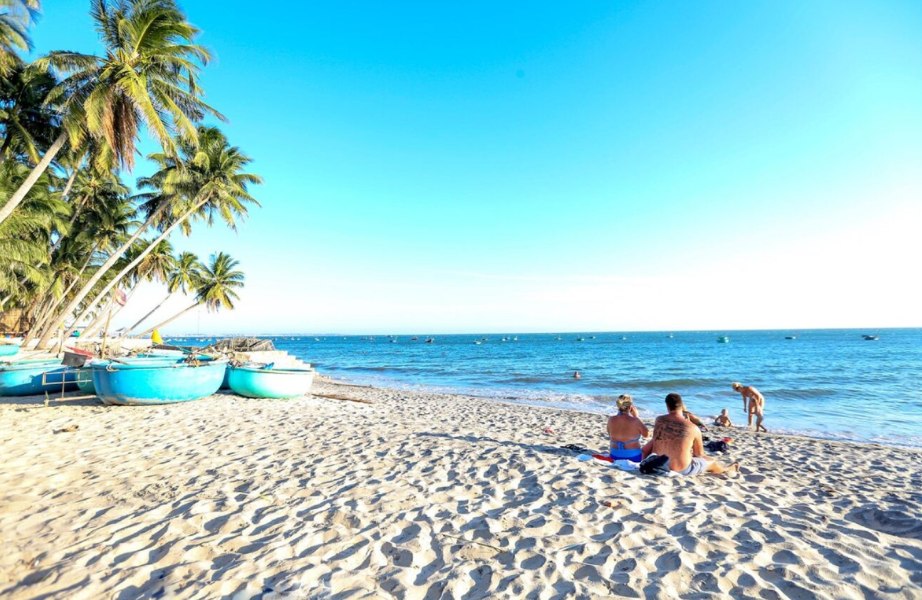
Beaches & Relaxation
7. Po Shanu Cham Towers
8th–9th century Cham ruins overlooking the sea near Phan Thiet—cultural gem with intricate architecture and panoramic views. Short taxi ride from Mui Ne; combine with a half-day cultural tour.
8. Fresh Seafood & Dining
Oceanfront and roadside spots grill prawns, squid, fish; try local specialties like ca loc nuong or nuoc mam. Night markets and restaurants like The Moon (pizzas), Goa Indian, Modjo (Swiss-inspired), Backstage Bar & Grill (breakfast) offer variety. Reasonable prices, cold beers abundant.
Family Travel Tips for Mui Ne
Mui Ne suits families with gentle Fairy Stream exploration, pool time at resorts like Palado, and supervised dune sliding. Sunset jeep tours better than sunrise for kids; hold little ones tightly near the busy main road (fast traffic, no quiet side streets). Beaches vary—avoid eroded western areas with groynes/hazards; southern spots safer for play. Quad bikes expensive and potentially unsafe for young children; sandboarding fun with close supervision. Noise from some venues (e.g., live music) can disrupt sleep—choose quieter resorts. Pack high-SPF sunscreen, hats, reusable water bottles, and cash for extras. In 2026, more family-oriented eco-tours and kid-friendly water sports options are emerging.
Where to Stay in Mui Ne
Luxury: Palado Hotel (beachfront elegance, infinity pool, wine cellar). Midrange: The Cliff Resort (private beach, water sports, great dining), Full Moon Beach Resort (gardens, large pool, relaxed vibe). Budget: hostels and guesthouses along the strip. Avoid tired, noisy spots for families; prioritize sea-view, pool-equipped properties away from main-road clamor.
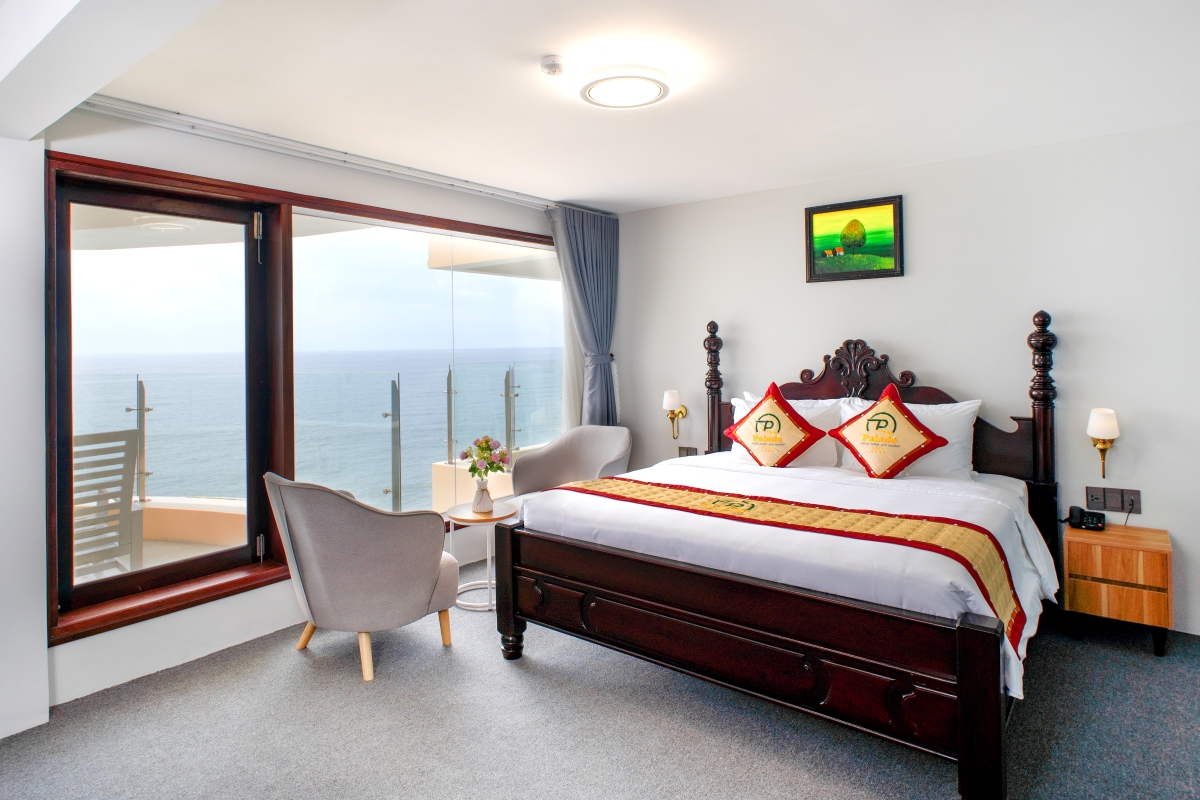
Palado Hotel
30 Frequently Asked Questions About Mui Ne
1. Why is Mui Ne trending as a top destination in 2026?
Booking.com ranks Mui Ne #1 globally for emerging hotspots, citing its surreal red/white sand dunes beside the sea, status as a kitesurfing paradise, peaceful fishing-village charm, and authentic travel appeal in a year focused on personalized, unique experiences.
2. What is the best time to visit Mui Ne for kitesurfing?
October–April peak season delivers the strongest, most consistent northeasterly winds (15–25 knots). February–March sees the highest crowds of international riders and full operation of schools and beach clubs. November offers excellent conditions with fewer people.
3. How do I get from Ho Chi Minh City to Mui Ne?
Sleeper bus (3–5 hours, VND 250,000–350,000) is most popular—book via 12Go or agents for preferred seats. Private transfer ($50–80) suits families. Train to Phan Thiet then taxi less convenient due to late arrivals. Motorbike rental possible but requires international permit.
4. Are the sand dunes safe and fun for families?
Yes—Fairy Stream is gentle and engaging; sandboarding exciting with supervision. White dunes larger and less crowded; avoid quad bikes for young kids due to cost and safety. Sunset tours preferred over early sunrise for family schedules.
5. What should I pack for a trip to Mui Ne?
Lightweight clothing, swimwear, high-SPF sunscreen, wide-brim hats, sturdy sandals (for dunes/stream), insect repellent, reusable water bottle, cash (VND) for tours/extras, rash guards for water sports. Light jacket for cooler evenings; barefoot-friendly shoes for Fairy Stream.
6. Is Mui Ne safe for families with children?
Generally yes—hold kids near busy main road (fast traffic). Beaches vary—avoid eroded areas with concrete groynes; southern stretches safer for play. Resorts secure; standard precautions (sunscreen, hydration) essential. Noise from some venues can affect sleep.
7. Which beaches are best for swimming in Mui Ne?
Southern stretches wider, cleaner, calmer; main Rang Beach eroded/narrow in parts with hazards. Use day passes at resorts for better access/pools. Hon Rom and Ke Ga offer quieter, scenic options. Tide affects play—check conditions.
8. How much does a typical jeep tour cost in 2026?
Shared sunset jeep tour ≈$7–15 USD/person (includes Fairy Stream, red/white dunes). Private options $20–40. Extras: quad bikes VND 900,000/couple, sandboards VND 30,000–50,000. Book via hotel or reputable agents.
9. Is English widely spoken in Mui Ne?
In tourist areas, resorts, and kitesurfing schools—yes. Fishing village and local spots less so. Translation apps (Google Translate) very helpful; many guides and staff speak good English.
10. What are must-try foods in Mui Ne?
Fresh grilled seafood (prawns, squid, fish), local specialties like ca loc nuong and nuoc mam. Try pizzas at The Moon, Indian at Goa, Swiss-inspired at Modjo, hearty breakfasts at Backstage. Night markets offer street eats and cold beers at reasonable prices.
11. Can beginners learn kitesurfing in Mui Ne?
Absolutely—one of the world’s best learner spots with long sandy beaches, steady side-onshore winds, and safe waters. Schools provide IKO-certified lessons, gear, and theory. Start in calmer southern areas; watch pros first for inspiration.
12. How eroded is the main beach in Mui Ne?
Western/main Rang Beach suffers noticeable erosion, narrow sections, shallow water, and concrete groynes (safety hazard). Southern beaches better preserved—wider, cleaner, more swimmable. Resort day passes access improved areas.
13. What currency and payments should I expect?
Vietnamese Dong (VND); $1 USD ≈ 25,000 VND in 2026. Cash king for tours, markets, small vendors. Cards accepted at resorts/hotels; ATMs widespread but carry VND for flexibility. Mobile payments (Momo) growing.
14. Are there quiet spots away from the main road?
Yes—southern beaches, resort pools, rooftop cafés, and White Sand Dunes offer escape. Palado Hotel and similar properties provide tranquil beachfront settings removed from road noise.
15. How long should I stay in Mui Ne?
3–5 days ideal: 1–2 days for dunes/Fairy Stream, 1–2 for water sports/beach relaxation, extra for village exploration and downtime. Families may extend for pool/resort time; wind-sport enthusiasts often stay longer.
16. What wildlife or nature can I see?
Lizards and birds on dunes, crabs on beaches, small fish in Fairy Stream. Nearby areas offer birdwatching; conservation efforts protect dune ecosystems. No large wildlife but unique desert-meets-sea landscape.
17. Is Mui Ne good for non-water-sport visitors?
Definitely—dune photography, Fairy Stream walks, fishing village mornings, Cham Towers, seafood dining, spa time, and sunset views appeal to all. Many enjoy simply relaxing at beachfront resorts.
18. What are the costs for a typical day in Mui Ne?
Budget $30–60 USD/person: meals $5–15, transport/tours $10–20, activities $5–30 (sandboarding, rentals). Luxury stays and private tours increase costs; street food and shared jeeps keep it affordable.
19. How has Mui Ne changed in recent years?
Rapid resort growth (600+ properties), focus on sustainability (dune protection, eco-tours), and global recognition as 2026’s top emerging spot. Erosion persists but southern beaches and new facilities improve visitor experience.
20. Are there vegetarian/vegan options?
Yes—many restaurants offer veggie pho, salads, tofu dishes, fresh fruit. Specify “chay” (vegetarian). Indian and international spots cater well; markets provide produce for self-catering.
21. What souvenirs should I buy in Mui Ne?
Fish sauce (nuoc mam), Cham handicrafts, dried seafood, sand art, local coffee/tea, beachwear. Resort shops and markets offer ocean-themed gifts; support sustainable/local vendors.
22. Is Mui Ne accessible for people with mobility issues?
Limited—sandy dunes and Fairy Stream challenging; main road busy. Resorts like Palado offer ground-floor rooms and ramps; choose beachfront properties for easier access. Jeep tours adaptable.
23. What festivals or events happen in Mui Ne?
Cham festivals at Po Shanu Towers, local Tet celebrations, kite festivals during windy season. In 2026, watch for eco-tourism events and water-sports competitions tied to its trending status.
24. How crowded are the dunes in peak season?
Red dunes busier with touts; White dunes larger and quieter if you venture further. Early morning or sunset visits reduce crowds; private tours offer more seclusion.
25. What nightlife options exist in Mui Ne?
Relaxed—beach bars, sunset drinks at resorts, live music at some venues (can be loud). No wild club scene; focus on ocean views, cold beers, and casual evenings.
26. Can I visit nearby Phan Thiet from Mui Ne?
Yes—20–30 minutes by taxi/Grab ($5–10). Explore markets, fish sauce factories, Cham Towers, and more urban amenities. Easy day trip or stop en route.
27. Is Mui Ne LGBTQ+ friendly?
Generally welcoming in tourist/resort areas; Vietnam progressing on inclusivity. Discretion advised in rural/village settings; many resorts cater to diverse travelers.
28. What to do on a rainy day in Mui Ne?
Spa treatments at Palado Hotel, wine tasting in the cellar, indoor resort dining, cooking classes, or visit covered markets/Cham Towers. Brief showers rarely last long.
29. How does Mui Ne compare to Phu Quoc or Nha Trang?
Mui Ne unique for dunes + wind sports; quieter, less commercialized than Nha Trang. Phu Quoc offers whiter beaches/island vibes. Choose Mui Ne for adventure and surreal landscapes.
30. Why should I visit Mui Ne in 2026?
As the world’s #1 emerging destination per Booking.com, Mui Ne combines rare desert-by-sea scenery, world-class kitesurfing, authentic fishing culture, and growing sustainable options. Whether seeking adrenaline, family memories, or tranquil beach time, its “storybook” appeal and 2026 spotlight make it unmissable.
Final Thoughts: Embrace Mui Ne in 2026
Mui Ne’s magic lies in its contrasts—towering dunes against rolling waves, traditional boats beside modern resorts, adrenaline alongside serenity. Despite challenges like erosion and road noise, its unique landscapes, warm hospitality, and 2026 trending status promise an unforgettable escape. Stay at Palado Hotel for luxury comfort, plan around the dry season for peak conditions, and dive into this coastal wonder. Safe travels to Mui Ne—Vietnam’s rising star!